A Legacy of Excellence
The Lancia Delta Integrale is more than a car — it is a defining piece of rally history. From the mountains of Monte Carlo to today's collectors, its impact continues to endure.

6
World Championships

46
WRC Victories

1987–1994
Integrale Era

44,000+
Units Produced
The Journey
Lancia Fulvia HF
1965–1974
The Beginning of a Rally Dynasty
The Fulvia HF was the car that introduced the world to Lancia's unique way of winning rallies—with engineering ingenuity, lightness, and precision rather than brute force. Its narrow-angle V4 engine, compact footprint, and razor-sharp handling allowed it to outperform cars with far more power. On the rally stages of the late 1960s and early 1970s, the Fulvia HF became a symbol of clever Italian engineering. It captured the 1972 International Championship for Manufacturers and set the tone for Lancia's philosophy: build cars that feel agile, communicative, and perfectly attuned to the driver. The Fulvia HF didn't just win events—it established the culture of innovation that every later Lancia rally car would inherit.


Lancia Stratos HF
1973–1979
Lancia Rally 037
1982–1986
Group B's Last Rear-Wheel-Drive Champion
The Lancia 037 marked the beginning of the Group B era for the brand. With its tubular chassis, Pininfarina-designed bodywork, and supercharged engine, it represented a blend of classic Italian design and modern competition engineering. In 1983, the 037 achieved something no car has done since: it won the World Rally Championship as a rear-wheel-drive machine against increasingly sophisticated four-wheel-drive rivals. Its balance, mechanical grip, and instantaneous throttle response made it a driver's car in the purest sense. The 037 stands as Lancia's last analogue masterpiece before the sport moved toward turbocharged, all-wheel-drive complexity. It is revered not just for its victories, but for its purity.

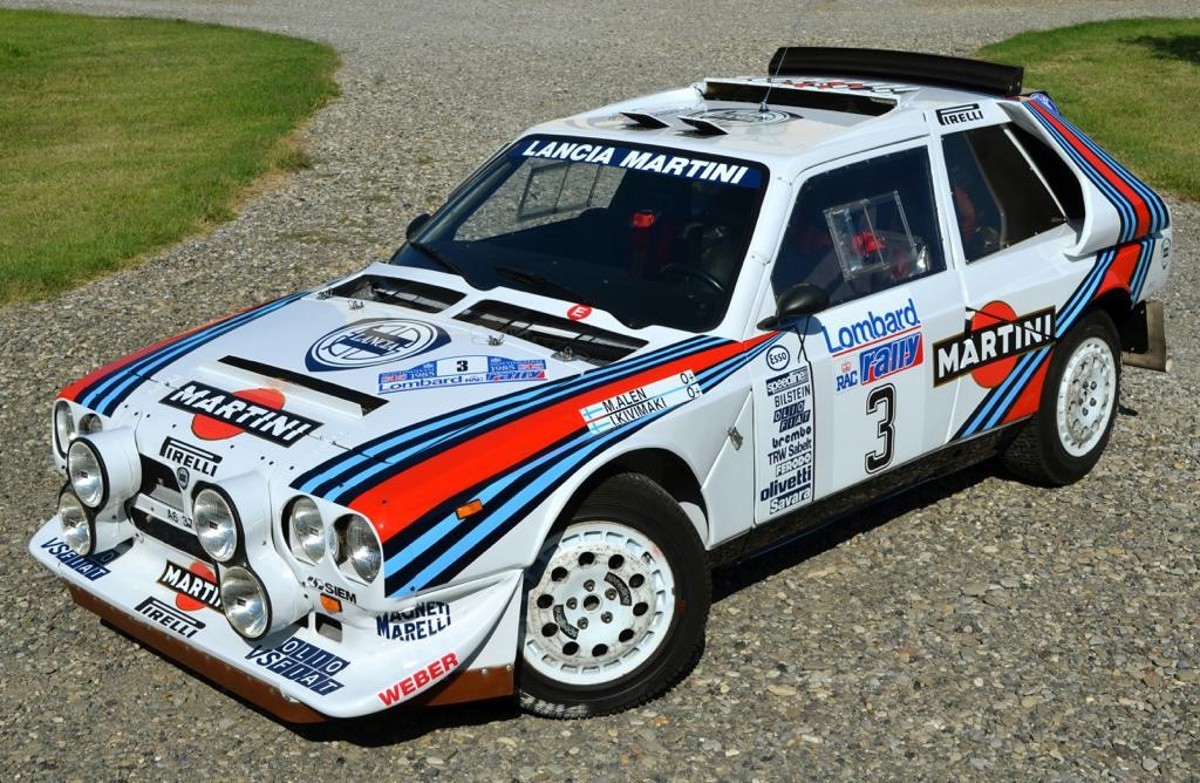
Lancia Delta S4
1985–1986
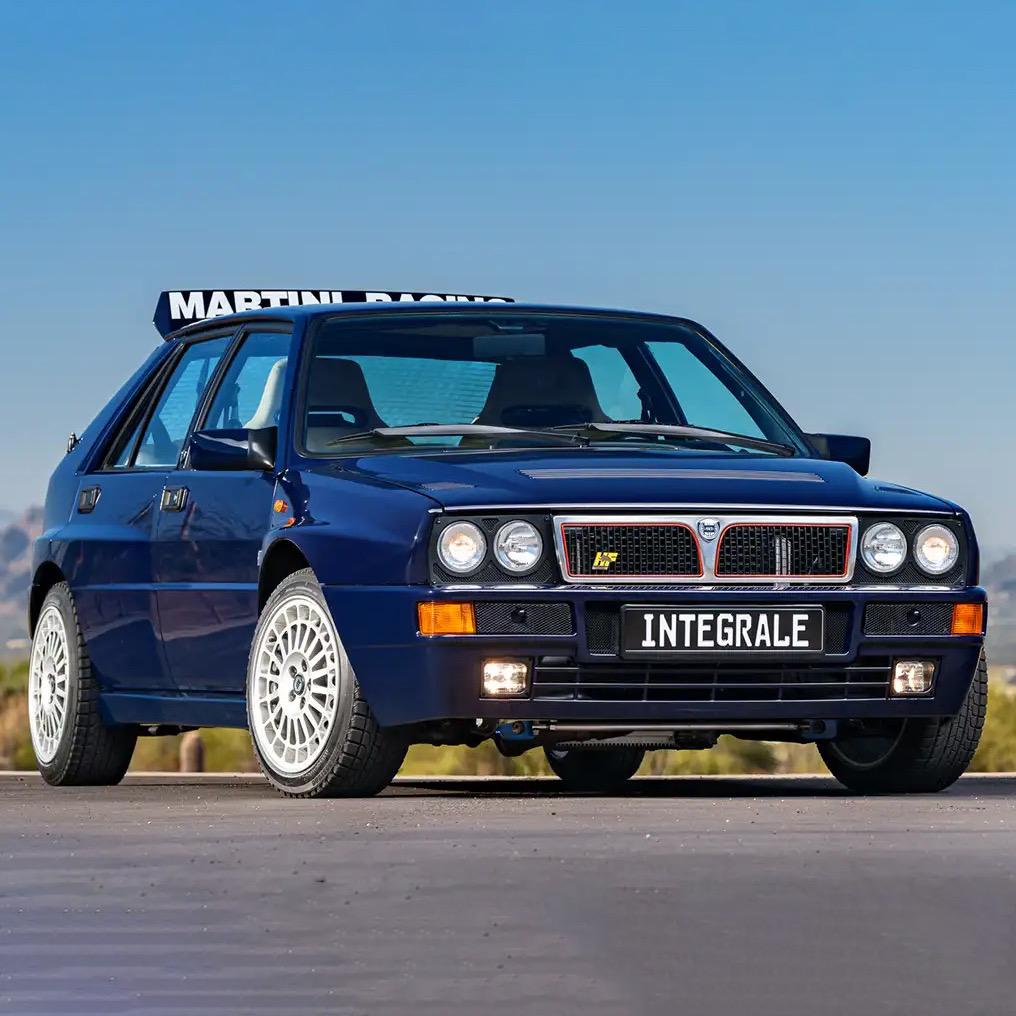
Lancia Delta Integrale Evoluzione I & II
1991–1994
The Perfection of the Rally-Bred Hatchback
The Evoluzione I and II represent the final, most refined expression of Lancia's decades-long rally engineering. Built on the unmatched success of the Delta HF Integrale, these models introduced wider tracks, strengthened suspension geometry, improved aerodynamics, and more sophisticated turbocharged performance. The Evo I (1991–1992) was engineered to keep the Delta competitive for privateer teams even after Lancia's factory withdrawal. It delivered sharper handling, increased rigidity, and characteristic wide arches that defined its stance. The Evo II (1993–1994) elevated the formula further with updated engine management, improved throttle response, and distinctive styling details. Special colors and interiors—such as Giallo Ginestra and Alcantara-trimmed cabins—made the Evo II a cultural icon beyond motorsport. Together, the Evoluzione models mark the culmination of Lancia's rally dynasty: powerful, analog, all-wheel-drive machines that preserved the raw emotion of competition while offering the most complete road-going evolution of the Integrale name.
"
The Delta Integrale was not just a rally car; it was a statement of what Italian engineering could achieve.
— Automotive Heritage Magazine